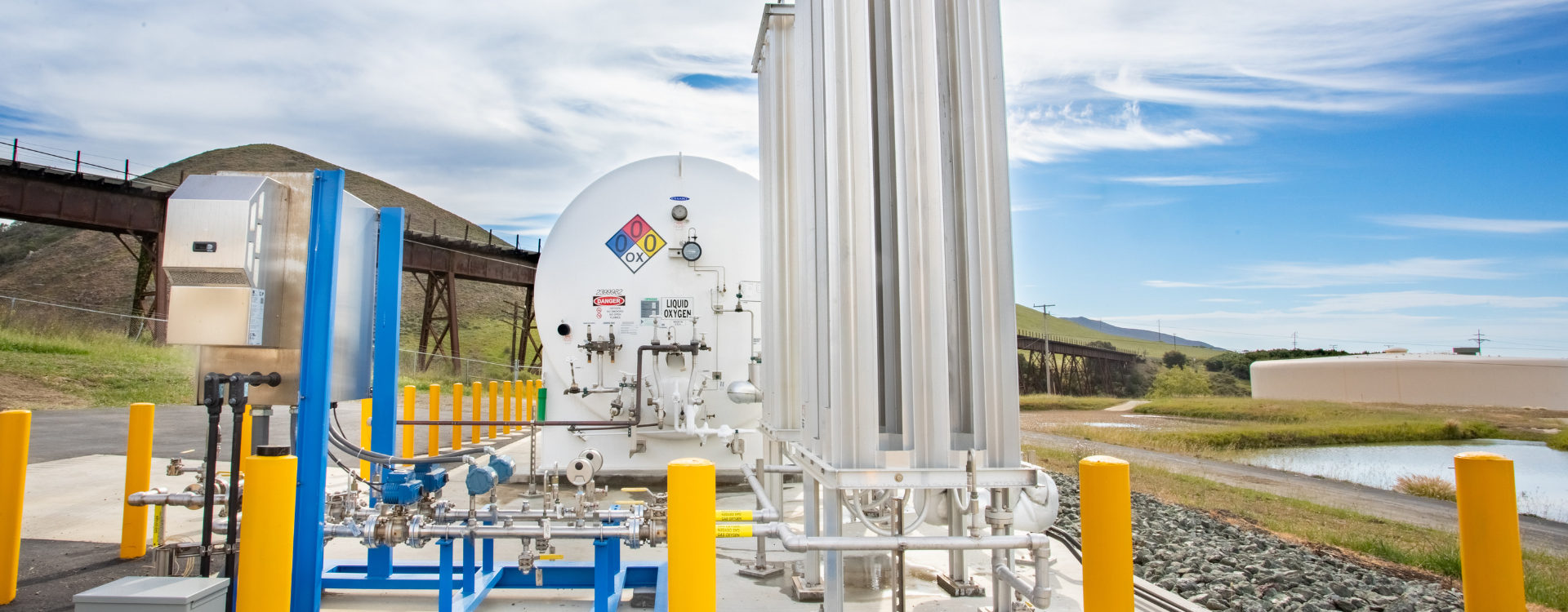

In an energy savings performance contract (ESPC), construction-period savings (CPS) are the time-based accounting of energy savings that occur while the project is still being built. Through measurement and verification (M&V), we track how and when a project generates savings for the client during construction, based on the successful operation of already completed energy conservation measures (ECMs).
Why construction-period energy savings matter in ESPCs
Savings accrued during construction are real. As soon as Southland completes an ECM and it operates as intended, the client begins to realize the tangible benefits. Lighting upgrades are a common example. We often finish lighting and water ECMs ahead of more complex mechanical and controls measures. Once the energy service company (ESCO) replaces an inefficient light fixture with a new, more efficient fixture (i.e., one with LEDs), energy savings start immediately.
Due to the size and complexity of our projects, the installation period can be anywhere from 24 to 36 months. To accurately reflect the true fiscal impact, we apply escalated rates in our measurement and verification process to account for time elapsed within these lengthy construction durations, from individual ECM completion and sign-off to the project's final acceptance.
From a financial perspective, CPS directly reduces the principal balance at the end of construction, which in turn significantly lowers total interest costs over the ESPC's financed term. While energy savings refers to the total reduction in energy use or cost across the entire project, and through the project's life, CPS represents the portion of those savings realized during construction, which provides an early return on investment.
How we characterize construction-period energy savings
When it comes to characterizing CPS, the calculation approach is conservative and precise. We apply a derate factor to account for schedule variations that are common in construction. Additionally, we track savings building-by-building, and for large facilities such as Veterans Affairs (VA) hospitals, even at the floor level. We account for building- or floor-level savings only after they complete and fully commission the work, perform quality assurance and quality control checks, and the client, along with a Southland representative, inspects and signs off on each space. These sign-off practices ensure that energy conservation measures operate as intended and contribute to the reported savings.
Further, we track CPS monthly, as it is time-based, paying careful attention to details like the number of days in each month. For HVAC-related ECMs, we adjust savings for seasonal effects — cooling savings during summer months versus heating savings in winter. ESCOs base all CPS tracking on actual, as-built data and verified field conditions as they install ECMs.
What construction-period energy savings mean for ESPC clients
With the right M&V processes in place and regular communication during construction meetings with all stakeholders, CPS makes an energy efficiency project's early benefits visible, measurable, and financially impactful.

Performance Assurance Manager
As Performance Assurance Manager, Bimaldeep Kaur helps our clients tackle energy efficiency challenges, meet their sustainability goals and sustain the benefits of their energy efficiency projects across diverse market segments. With over 20 years of industry experience, she is passionate about enhancing operational efficiencies, defining productivity improvement strategies, and engaging directly with clients to deliver and sustain measurable results.